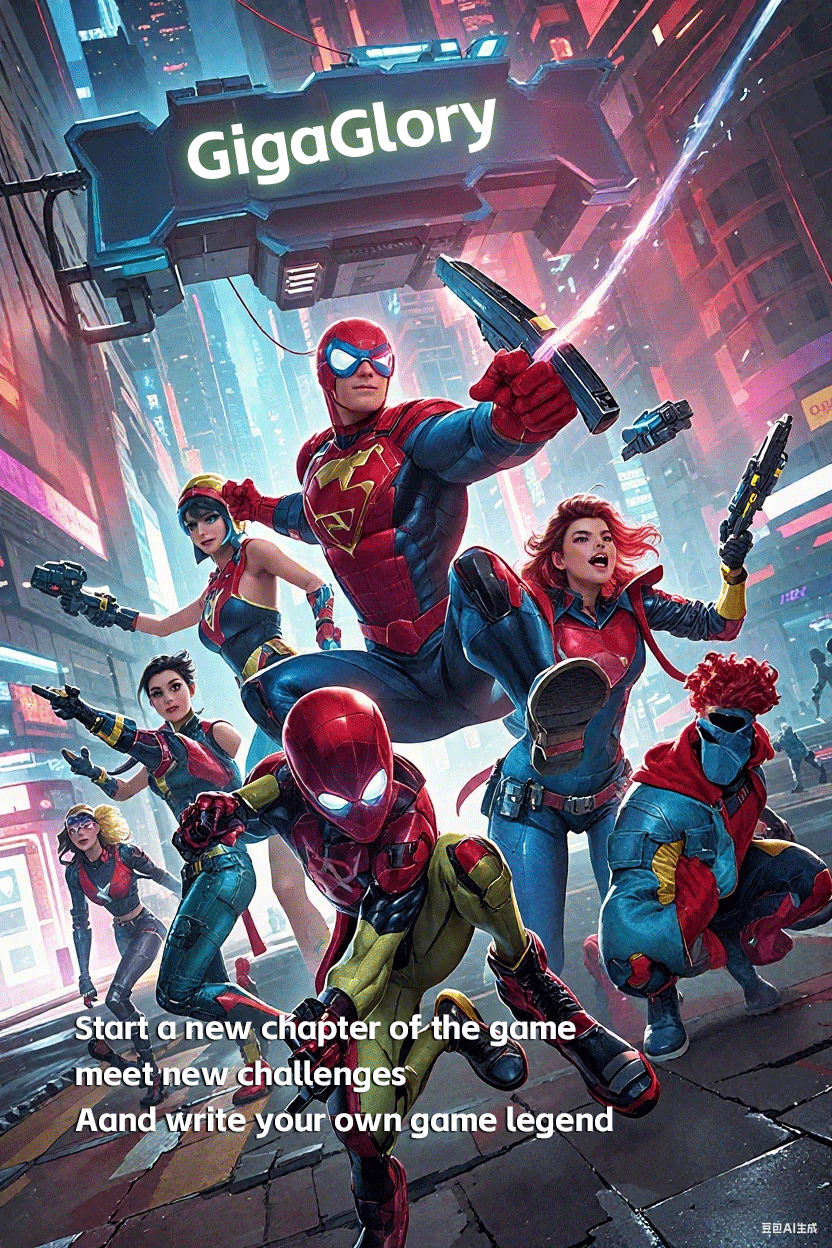
Exploring the Intersection of MMORPGs and Business Simulation Games: A New Era of Interactive Gaming
In a world where gaming is more than just a pastime, the fusion of massively multiplayer online role-playing games (MMORPGs) and business simulation games heralds a transformative era of interactive entertainment. This evolution promises not only to enhance individual experiences but also to foster collaborative strategies akin to what we see in real-world business practices. But, how exactly do these two genres intertwine?
Understanding MMORPGs
MMORPGs have captivated millions around the globe by merging expansive narratives with the opportunity for social interaction. Players not only create avatars but also engage in world-building, collaborating with others, and completing quests together. This genre emphasizes **community** and interactivity, which makes it a fascinating foundation for exploring more intricate game dynamics.
The Essence of Business Simulation Games
On the other hand, business simulation games focus on strategic planning, resource management, and entrepreneurial skills. Players often take on the role of a businessman or a company director, where making decisions can lead to success or failure within the game's economy. This focus on **strategic gameplay** is what makes these games compelling and rewarding.
The Unique Blend of Genres
Imagine a game where players not only level up their characters but also build businesses that flourish in a virtual economy. The fusion of MMORPG atmospheres and business simulated mechanics can lead to a multifaceted gaming experience that challenges players' **decision-making skills** while they immerse themselves in rich lore.
Key Features of the Hybrid Model
- Community Engagement: Players collaborate not only to explore dungeons but also to strategize business ventures.
- Dynamic Economies: The in-game economy reacts to player actions, similar to real-world markets.
- Status Systems: Players can earn prestige through successful ventures and community contributions.
- Quests & Business Challenges: Alongside traditional quests, players can participate in business competitions.
Examples of MMORPGs with Business Simulation Elements
There are already notable examples where MMORPG frameworks incorporate business simulation elements. Games like **EVE Online** allow player-run corporations that thrive or collapse based on strategic decisions. Similarly, titles like **Albion Online** let players engage in crafting and trading within a vibrant player-driven economy.
The Role of ASMR in Gaming Experience
Additionally, trends like ASMR (Autonomous Sensory Meridian Response) eating videos are gaining traction in gaming. While it might seem a far cry from traditional gaming mechanics, integrating ASMR elements into **MMORPG and business simulation games** could enhance the immersive experience, providing players with sensory feedback that enriches their journey.
Table: Features Comparison
| Feature | MMORPGs | Business Simulation Games |
|---|---|---|
| Community Interaction | High | Moderate |
| Strategy Depth | Medium | High |
| Resource Management | Low | High |
| Player-Driven Economy | High | Medium |
The Influence of Gaming Hardware, like Teamgroup T-Force Delta RGB 32 GB
Cutting-edge hardware, like Teamgroup T-Force Delta RGB 32 GB, enhances the gaming experience by allowing smoother gameplay and better graphics. With the right tech, players can immerse themselves in these hybrid games with minimized lag, making strategic gameplay more intuitive and engaging.
Challenges in Merging Genres
While the potential for hybrid gaming experiences is vast, there are challenges as well. Balancing the complexity of strategic gameplay with the need for an engaging narrative can be tricky. Developers must navigate the fine line between a game feeling like a chore and maintaining player interest.
What Players Want
Feedback from players indicates a strong preference for games that allow for **creative expression** while still engaging them intellectually. In this light, developers need to create seamless experiences where players can shift effortlessly between **combat**, exploration, and business management.
Future Prospects of Hybrid Gaming
The future of MMORPGs and business simulation games may lie in deepening this integration. As technology advances, we may see **augmented reality** (AR) and **virtual reality** (VR) play a larger role in this genre blending, allowing players to experience these worlds even more vividly.
Conclusion
The intersection of MMORPGs and business simulation games opens a plethora of opportunities for innovation in the gaming industry. As players demand immersive experiences that engage their minds and promote community interaction, this shift could represent a **new era of interactive gaming**. With emerging technologies and creative developments, the possibilities are endless. Keep an eye on how these genres evolve as they likely shape the future landscape of gaming.